


My Monster Album - Collect & T
4.442.00 Reviews
App Specs
- Version
- 1.0.17
- Updated On
- License
- Free
- Downloads
- 50,000+
- Developer
- Tapps Games
- Categories
- Educational
- Platform
- Android
Screenshots
 Analysis by AppCompare
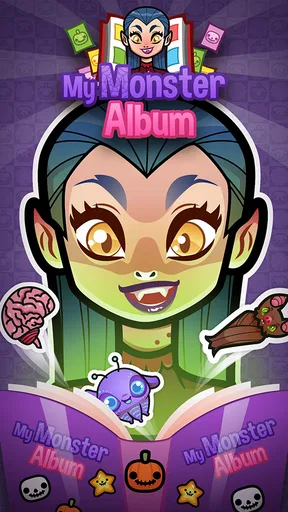
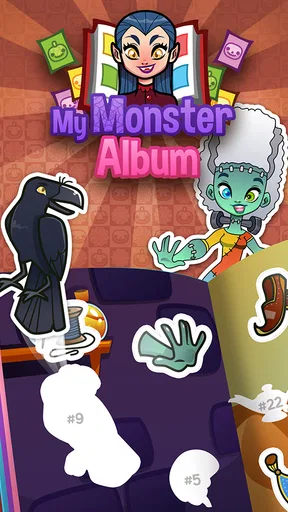
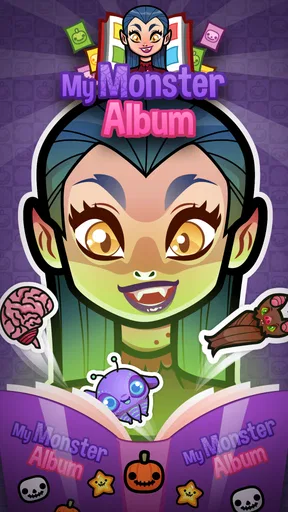
I approached My Monster Album as a small, collection-focused game rather than a traditional action title. Its central appeal is easy to understand: you build an album around villain-themed stickers, then work toward completing more of the collection. That makes it a natural fit for short sessions, casual play, and anyone who enjoys the satisfaction of arranging collectibles more than mastering complicated controls.
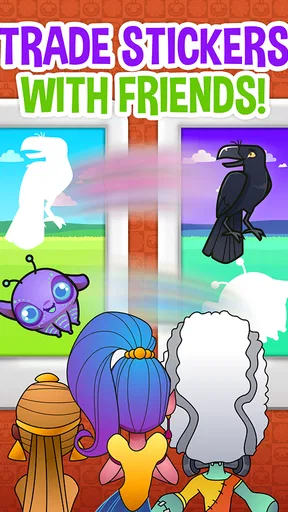
What makes the game worth considering is its simple social idea. The store summary presents it as an album where players can collect and trade with friends, so the experience is built around ownership and exchange rather than combat or exploration. I found that distinction important. If you want a game with deep levels, a long story, or demanding reflex challenges, this is probably not the right direction. If you like the feeling of opening, organizing, and comparing collections, its focused design is more appealing.
It is a free educational game from Tapps Games, rated for Everyone, and it has reached over fifty thousand installs. The average stands at 4.4 from roughly seven hundred ratings, with a few dozen written reviews. Those figures suggest that it has found a modest but interested audience, although they do not make it comparable in scale with the biggest mobile games. I would treat it as a lightweight pastime with a clear theme, not as a major long-term gaming platform.
How the album works as a casual collecting experience
The sticker-album format gives the game an immediately recognizable rhythm. You are not learning a complicated ruleset before seeing any reward. Instead, the motivation comes from filling gaps, noticing which villains you have already gathered, and deciding what to do with duplicates or unwanted pieces. That structure is especially approachable for younger players and for adults who want something they can understand within a few minutes.
The educational category also shapes how I would position it. This is not education in the sense of a structured lesson, a language course, or a mathematics trainer. Its value is closer to encouraging observation, categorization, memory, and basic collection management. A child can practice recognizing what is missing from an album, while a parent can use the game as a brief, low-pressure activity. I would not choose it as a replacement for a dedicated learning app, but it can occupy a gentler space between a toy and a game.
The villain theme gives the collection a stronger identity than a generic sticker book. It creates a reason to care about the individual pieces and makes comparison with friends more natural. Even if the basic action is repetitive, a themed album can remain pleasant because the player is working toward a recognizable visual goal rather than collecting anonymous objects.
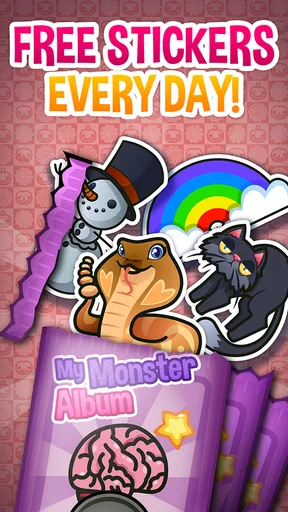
One useful way to play is to treat the album as a short daily ritual instead of trying to finish everything in one sitting. Checking progress, sorting what you have, and deciding which items matter most can make a few minutes feel complete. This approach also reduces the frustration that can come from chasing a collection too aggressively. The game works better when the album is a small hobby, not a task that must be completed immediately.
Worth Reading Before You Choose

EA SPORTS FC Mobile 26 Is a Bigger Football Game, but It Takes Time

Flipboard Shows What News Apps Must Do Beyond the Feed

Switching to Android Auto Means Rethinking Your Driving Routine

Google Calendar Makes a Crowded Week Easier to Manage

Ludo King Makes the Most of the Minutes Between Plans

Baby Panda World Brings Quick Play to Modern Phones, but Its Game Library Feels Busy
What feels satisfying and what can become repetitive
The strongest part of the design is the visible sense of progress. A collection gives you a concrete record of what you have achieved, and every new sticker has a clear place in that record. This is more satisfying than an endless score because the goal remains understandable: improve the album itself.
That same clarity creates the main limitation. Once the novelty of the villains and the trading idea fades, the repeated collecting loop may feel narrow. Players who need constant changes in gameplay, new mechanics, or increasingly difficult challenges may run out of reasons to return. There is no point pretending that an album format offers the same variety as a puzzle game with many modes or an adventure game with exploration.
I also think the experience depends heavily on how much you enjoy incomplete collections. Some people find missing stickers motivating; others see the empty spaces as an annoyance. If you tend to lose interest as soon as the basic pattern becomes familiar, the game may be better in occasional bursts than as a daily habit.
A practical tip is to decide in advance what “enough” means for you. You might aim to complete a particular portion of the album, collect only the stickers you personally like, or trade casually without treating completion as a requirement. That small change helps keep the activity enjoyable and avoids turning a free game into an obligation.
Trading with friends and the social trade-off
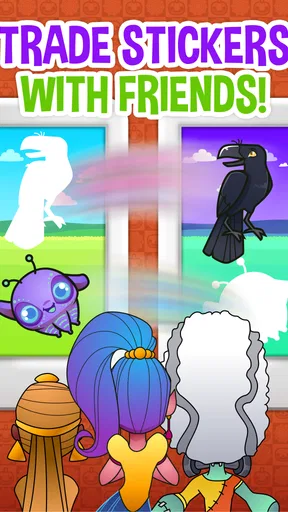
The promise of trading is one of the features that separates this experience from a solitary sticker-collection app. A friend can make duplicates useful, and a shared goal can give the album more life than it would have alone. Trading also changes the way you look at a collection: an item that is unhelpful to you may be exactly what another player wants.
At the same time, this social element is only valuable when you have someone willing to participate. A player without friends using the game may experience the album as a mostly individual activity. That is not necessarily a flaw, but it means the social appeal should not be treated as guaranteed. Before choosing it for a child, I would consider whether the intended player actually has friends or family members who can share the activity.
Trading can also introduce a small fairness question between players. A collection feels more rewarding when exchanges are based on mutual agreement rather than pressure. I would encourage younger players to discuss trades with a parent or trusted adult, especially if they are unfamiliar with the idea of giving up one item to receive another. The game’s friendly format does not remove the need for sensible boundaries.
Compared with a standard single-player educational game, this social angle is more engaging for children who like showing progress to others. Compared with a competitive multiplayer game, however, it is much less demanding. It does not appeal to someone looking for rankings, fast matches, or skill-based victories. Its competition, if you choose to see it that way, is mainly about whose album is more complete or interesting.
Spending, progression, and the pressure to complete
The game is free to download, but it includes in-app purchases ranging from $1.99 to $14.99 per item. That is the most important financial detail for parents and for anyone who prefers completely predictable free play. I would not describe the game as a paid title, but I also would not treat “free” as meaning that every part of the collecting experience is necessarily free from spending prompts.
The purchase range makes the completion goal worth thinking about before playing. Collection games can create a strong desire to fill every empty space, and that desire may make optional purchases feel more urgent than they first appear. I cannot responsibly claim that spending is required, or that purchases are unfair, because the available facts do not establish how they affect progress. My practical advice is simpler: decide your spending limit before starting and keep the focus on the album rather than on finishing it at any cost.
This is particularly useful when a child is playing. A parent can explain that a missing sticker is not a problem to solve with money and that trading or waiting may be preferable to buying. The game’s Everyone rating makes it broadly accessible, but an age rating does not replace supervision around purchases. Device-level purchase controls are sensible for any child using a free game with paid items.
For adults, the trade-off is between convenience and satisfaction. Paying may feel attractive if it helps you reach a particular collection goal, but it can also reduce the pleasure of gradually building the album. I personally prefer to let a collecting game develop slowly. The waiting, sorting, and occasional discovery are part of the appeal; removing all friction can make the result feel less earned.
There is also a psychological pressure that is easy to overlook: an almost-complete album can make the final gaps seem more important than they are. I recommend taking a screenshot or note of your progress if you care about a specific target, then returning later rather than making an immediate purchase decision. That pause is a useful test of whether you truly want the item or simply dislike seeing an unfinished page.
Is it fair for players who do not spend?
From a fairness perspective, the safest conclusion is that the game should be approached as a casual collection where spending is optional, not as a competitive system where money must determine the winner. The available product information confirms the existence and range of purchases, but it does not establish whether paid items provide exclusive advantages, speed up progress, or simply offer extra collection opportunities. I would not invent a stronger claim than that.
That uncertainty matters because fairness means different things in different games. In a solo album, a purchase may mainly affect personal pace. In a trading environment, it could also influence what a player can offer friends. Without clear details about the exact role of each item, I would avoid comparing paying and non-paying players as though their experience were known to be identical.
My recommendation is to judge the game by the free portion first. Play long enough to decide whether arranging and collecting the stickers is enjoyable on its own. If the basic loop does not hold your attention without spending, purchases are unlikely to solve the deeper problem. If you already like the album and want to support your own collection, set a firm limit and treat any purchase as an optional extra rather than a necessary step.
This approach also makes the game easier to recommend to families. The child can enjoy the visual collection and the social exchange without being taught that completion requires payment. For adults who dislike monetization in casual games, the presence of purchases may still be a reason to skip it, even though the game itself is free.
Device fit, age, and practical expectations
The current version is 1.0.17 and requires Android 8.0 or newer. That makes checking the operating system important before installing, especially on an older phone or tablet used by a child. The requirement is not unusually demanding for a modern device, but compatibility should still be confirmed before planning a shared family activity.
The Everyone content rating supports its broad, family-friendly positioning. I would still play alongside a younger child at least once, not because the rating suggests a problem, but because the real questions are practical: Does the child understand the collection loop? Can they handle duplicate items? Do they know not to make a purchase without permission? Those conversations matter more than the label alone.
Because it is an album game, it is best suited to moments when concentration is available but time is limited. A child waiting before an appointment, a family comparing collections after dinner, or an adult taking a short break can all be reasonable use cases. It is less suitable for a long journey if you expect hours of varied entertainment, since the collecting format may eventually feel too repetitive.
I would also avoid presenting it as a serious educational curriculum. Its educational value is informal and activity-based. It can support sorting and attention, but it does not replace schoolwork, reading practice, or a focused learning tool. That distinction helps set realistic expectations and prevents the game from being judged for something it was not designed to do.
How it compares with ordinary alternatives
Against a traditional sticker book, the digital format is more convenient because the album can travel with the device and the collection can be shared through the game’s trading concept. A physical album, however, offers a tactile experience and does not raise the same questions about in-app purchases. Families who want cutting, handling, and offline craft time may prefer paper stickers.
Against a standard educational app, this game is more playful and less structured. A dedicated learning app is usually the better choice when you have a specific objective, such as practicing spelling or arithmetic. My Monster Album is better when the goal is relaxed engagement, visual collecting, and a little social interaction around a themed set of characters.
Against action or puzzle games, it asks less from the player’s reflexes and problem-solving skills. That makes it accessible, but it also limits its appeal for people who want challenge. Someone looking for a high score, strategic depth, or a story-driven adventure should choose a different category rather than expecting the album to transform into one.
Its most direct alternative is another digital collection game. Here, the deciding factor is whether villain stickers and friend-to-friend trading appeal to you. The theme gives this title a specific personality, but the underlying loop remains intentionally narrow. I would choose it for its atmosphere and collection concept, not because it offers the widest range of gameplay.
Who should install it and who should pass
I would recommend it to casual collectors, families looking for a simple shared activity, and players who enjoy completing visual sets at their own pace. It is also a reasonable choice for someone who wants a free starting point and is comfortable ignoring optional purchases. The low barrier to understanding the album is one of its strongest practical advantages.
I would be more cautious about recommending it to completionists who feel compelled to buy every missing item. The combination of an incomplete collection and paid items can make the experience less relaxing for that personality type. Players who need substantial educational content, constant new challenges, or competitive depth should also look elsewhere.
My preferred everyday scenario is a parent and child checking the album together for a few minutes, deciding which duplicates might be useful, and agreeing that no purchase is made during that session. That turns the game into a small conversation about choices and patience instead of a race toward completion. Friends can use a similar routine by comparing what they have and making trades only when both sides genuinely want the exchange.
For a solo adult, I would use it in short visits rather than expecting a full evening of entertainment. The album can be pleasant when you want a low-pressure distraction, particularly if the villain theme appeals to you. If you find yourself opening it only to chase the next paid opportunity, that is a good sign to step away.
My final view on value and trust
My overall impression is positive but deliberately modest. This is a focused educational collecting game from Tapps Games, not a deep learning product or a major multiplayer experience. Its value comes from a clear villain-themed album, the possibility of trading with friends, and a gentle progression loop that is easy to explain to a child or a casual player.
The free entry point is useful, but the in-app purchase range means I would install it with a spending plan rather than assuming the entire experience is cost-free. I also would not make firm claims about competitive balance or the exact effect of purchases without more detail. The fairest way to use it is to enjoy the free collection first, keep trades voluntary, and treat paid items as optional rather than as the normal route to success.
The game’s age rating, current Android requirement, and broad audience make it accessible for many families, while its moderate install base and strong average rating show that it has earned interest without suggesting that it is a universal favorite. In my experience of its concept, the right expectations are everything: this is a small album hobby, not an endlessly varied game.
My trust verdict is “try it carefully.” Install it if you like sticker collections, villain themes, and friendly exchanges. Give it a fair chance without spending, set boundaries before handing it to a child, and move on if the repeated collecting loop does not hold your attention. For the right player, that simplicity is exactly the charm; for everyone else, a dedicated educational app, physical album, or more varied game will be a better fit.
Pros
- Simple collection system that is easy for new players to understand.
- Frequent monster discoveries keep short play sessions engaging.
- Cute artwork gives the album a friendly
- colorful presentation.
- Progress tracking makes it easy to see which creatures are still missing.
- Works well as a casual game for relaxing
- low-pressure play.
Cons
- Some progress may depend heavily on luck or repeated attempts.
- The gameplay can become repetitive after completing several collections.
- Limited interaction with monsters may reduce long-term depth.
- Optional purchases could appeal to players seeking faster collection progress.
- Ads may interrupt play depending on how often rewards are claimed.
FAQs for My Monster Album - Collect & T
What is My Monster Album - Collect & T about?
My Monster Album - Collect & T is a collection-focused mobile game where you discover, obtain, and organize a variety of monsters in a personal album. The main appeal is completing sets, checking your progress, and expanding your collection over time. It is generally suited to players who enjoy casual collecting mechanics, gradual progression, and short play sessions rather than complex action gameplay.
How do you collect monsters in My Monster Album - Collect & T?
Monster collection is built around progressing through the game and using the available in-game collection features to obtain new entries. Depending on the current version, this may include rewards, challenges, events, or other progression-based opportunities. Some creatures can be easier to find than others, so completing the album may require patience and regular play. Before downloading, remember that collection games often encourage repeated sessions.
Is My Monster Album - Collect & T free to download and play?
The application can generally be downloaded without an upfront purchase, but the exact business model may include advertising, optional in-app purchases, or both. These elements can affect how quickly you unlock content or receive additional rewards. I recommend checking the Google Play Store or App Store listing for the latest pricing, supported payment options, and information about whether purchases are optional or necessary for certain features.
Does the game require an internet connection?
An internet connection may be needed for downloading the game, receiving updates, displaying advertisements, synchronizing progress, or accessing online events and services. Some basic album or collection functions might work when you are offline, but this can vary by device and version. If you plan to play while traveling or without mobile data, test the main features after installation and avoid assuming that every function will remain available offline.
Is My Monster Album - Collect & T suitable for children?
The game may be appropriate for younger players who enjoy colorful monster-collecting experiences, but parents should still review the store rating, privacy information, advertisements, and in-app purchase settings before installation. The presence of optional purchases or external advertising can make parental controls useful. Because content and monetization may change through updates, families should periodically check the current store description and supervise younger children’s play.


